


Kathamandu- Kanchanpur farmer, Prakash Sarki worked for a decade at Reliance NGO in India. However, the desire to do something in his own place never left him. Eventually, his goal of contributing in his own homeland led him to Sahara Nepal. With its technical support, he was able to plant mango, lychee, and jackfruit on one bigha of land. From soil testing of his field to providing thousands of saplings free of cost, Sahara Nepal not only helped fulfill his dream but also contributed to making the environment greener.
He says Sahara Nepal boosted his confidence and gave him the courage to do something in his own place. “My field is now fully green and flourishing. Earlier, people used to say, ‘What are you trying to do on barren land?’ but now everyone comes to take photos in the greenery.”
Similarly, another farmer from Kailali, Damodar Yogi, was able to plant 1,300 orange saplings on 16 ropani of land with the support of Sahara Nepal. He says this initiative has significantly boosted his confidence in agriculture.
Yogi, who had been preparing to go abroad for foreign employment, said that receiving free saplings motivated him to pursue farming instead. “Now I will not go abroad. I will work productively in this profession here,” he said.
He also expressed hope for further support to address water shortages during drought seasons, saying such interventions would help increase agricultural production.
Likewise, according to Yubaraj Siwakoti, Program Director of Sahara Nepal, the organization has implemented more than 66 projects across 43 districts over the years. He said Sahara Nepal has supported bamboo plantation across 63 hectares of land and treated more than 500,000 bamboo poles. It has also provided livestock management training to over 5,000 farmers and supported around 18,000 families in adopting green energy and accessing alternative energy solutions.
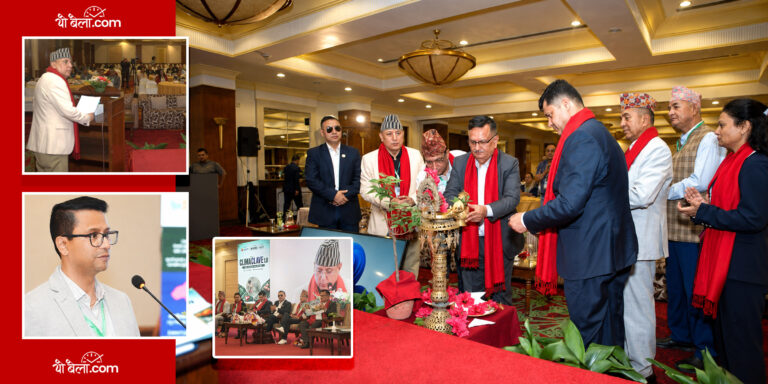
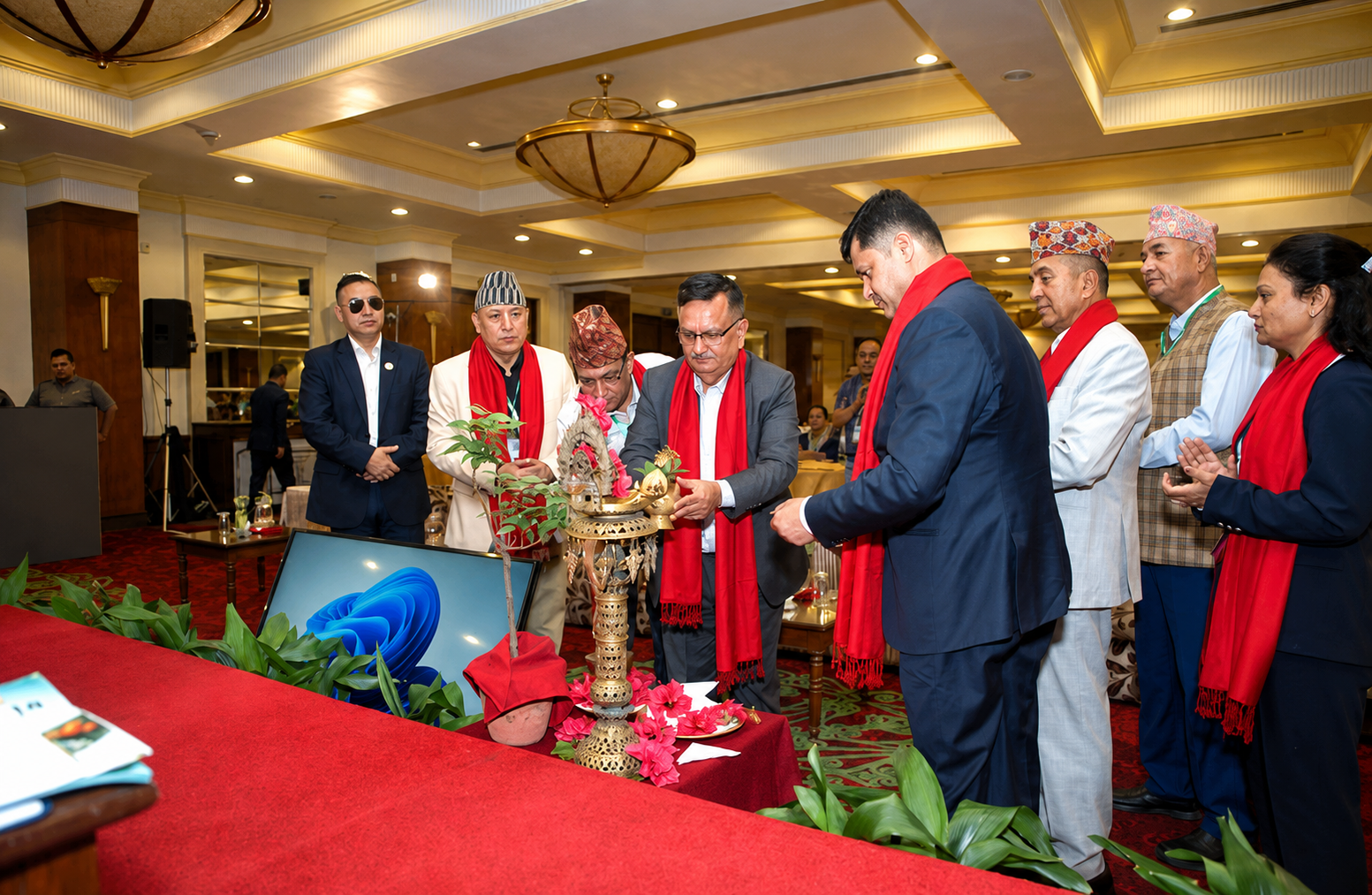
In this way, the organization, which has been serving as a support system for the prosperity of farmers and the agricultural sector, organized a program, ‘ClimaClave 1.0’ at Hotel Everest in Kathmandu with the objective of further strengthening its advocacy on Climate and environmental issues.
Sahara Nepal’s Executive Chief Mahendra Giri said that the organization has been working on climate adaptation by distributing fruit saplings, particularly in Sudurpashchim and Karnali provinces.
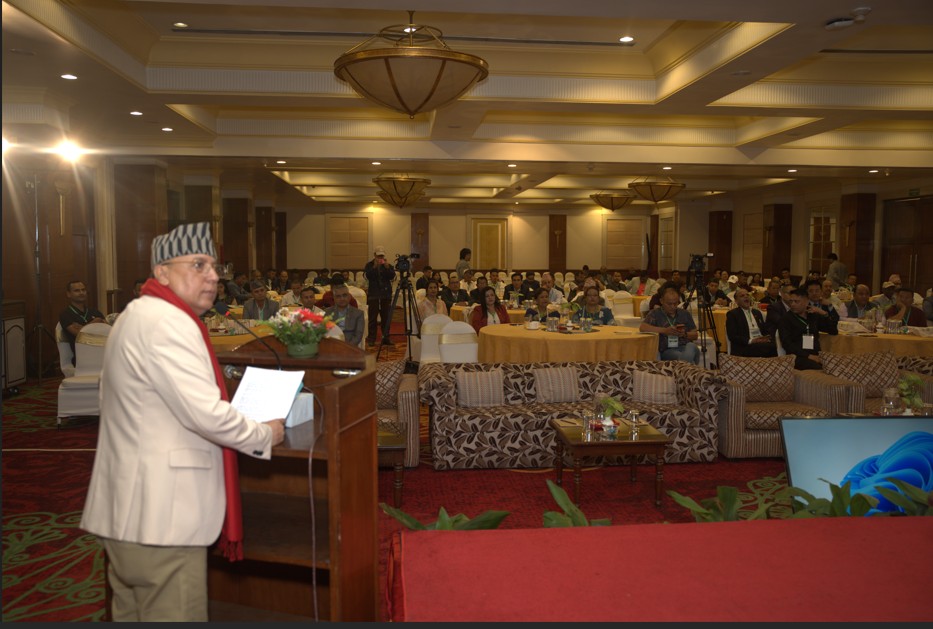
He noted that climate change poses serious risks in a geographically diverse country like Nepal, making strong coordination among all sectors essential. Emphasizing climate resilience and a green economy as the future, he said community-based climate solutions and sustainable livelihoods must be prioritized.
He further stated that collective efforts are needed to build a green and climate-resilient future, ensuring inclusive participation in sustainable development.
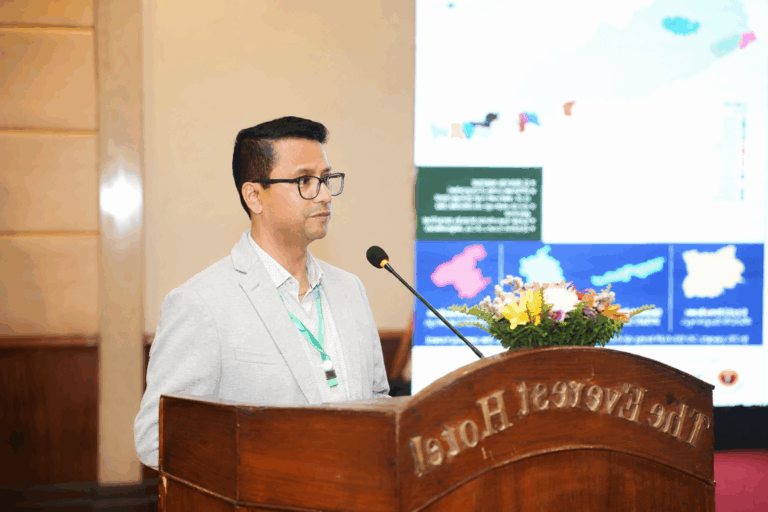
Dr. Aditya Panda, Director of The Coca-Cola Foundation, said that the foundation works to support changemakers like Sahara Nepal in creating measurable and lasting environmental change. He said the project is key to supporting the foundation’s ambition to work with communities at the grassroots level to achieve this goal. He also added, “We are trying our best to maintain climate-friendly activities.”
Guru Prasad Poudel, Executive Director of Nepal Rastra Bank (NRB), said Sahara Nepal had initiated the discourse program at the right time, noting that although Nepal is aware of climate change impacts, policy responses remain insufficient. He stated, “Nepal Rastra Bank has developed a green finance taxonomy economy. It should be made into a national document. After that, we can connect it to an international-level taxonomy system.”
Also, Ram Prasad Dhital, Senior Energy Expert, said Nepal has set a target of achieving carbon neutrality by 2030, but the current allocation of around 7 billion is insufficient to build carbon-resilient infrastructure. He appreciated Sahara Nepal’s work in adaptation and mitigation and stressed the need for a stronger focus on green energy. He said, “We have set a target of achieving carbon neutrality by 2030. However, with a total expenditure of only 7 billion, it is insufficient to build carbon-resilient infrastructure. Sahara Nepal has been doing good work in adaptation and mitigation. Now, there should be a stronger focus on green energy.”
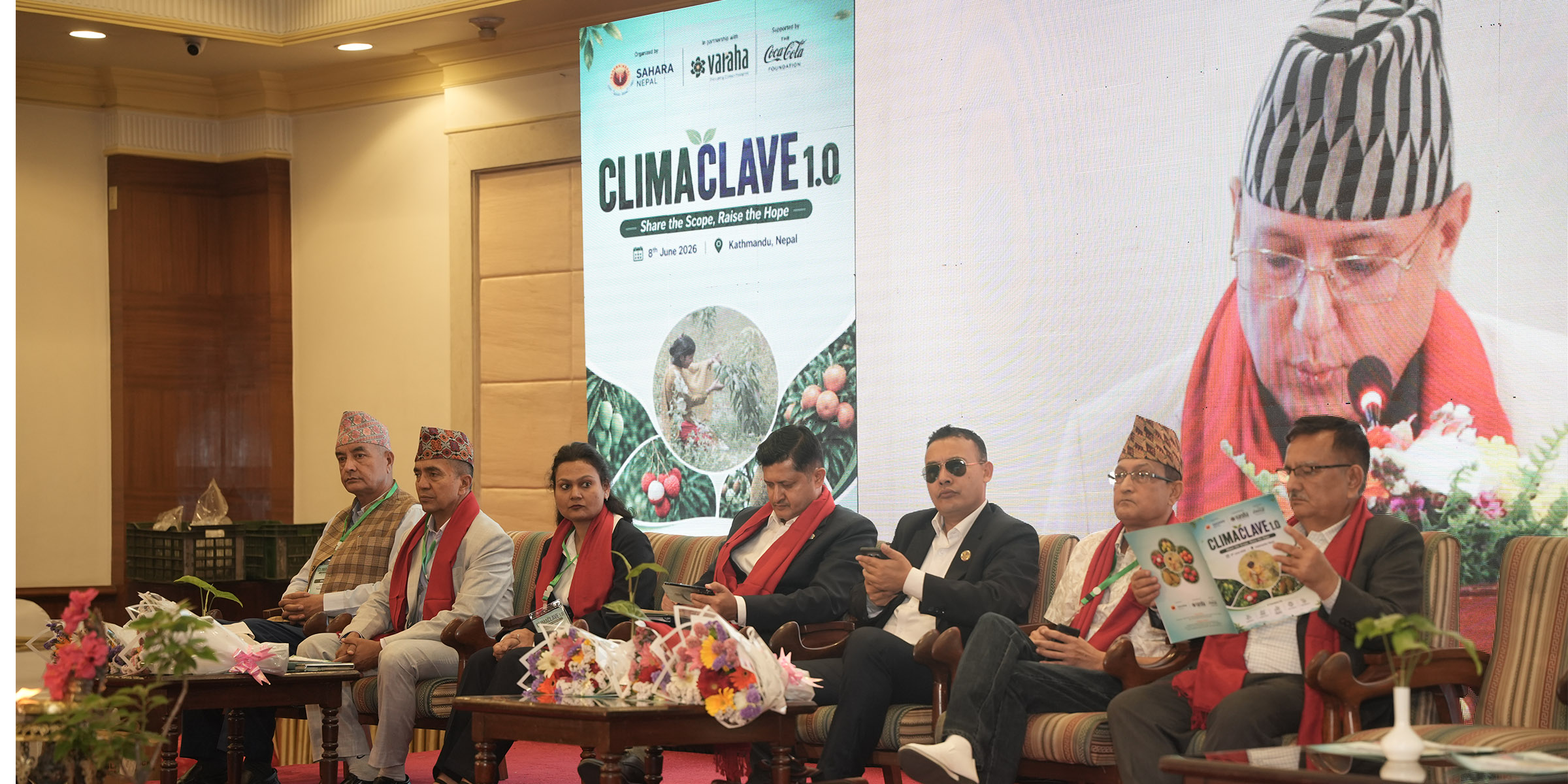
Surendra Prasad Pandey, Former Finance Minister, said that while cooperatives are currently facing issues of fraud, Sahara Nepal has been working differently and successfully. He suggested the organization establish two additional departments, one for knowledge generation and another for legal affairs, to support climate and agricultural innovation and policy development. He said, “Farmers also need to strengthen their activities with new innovation and their ideas should be shared across generations. For that, such a knowledge department can work.”
Sushil Khadka, Member of Parliament, said that implementing NDC 3.0 in the coming years would be a positive step, but stressed that the budget must be increased. He added that government funding alone would not be sufficient and suggested that programs like those implemented by Sahara Nepal could help bridge the gap in climate and agricultural interventions.







प्रतिक्रिया